While these short stories were both very interesting, I would have preferred them to be longer. Both stories left me asking "what happened next?" If I had to choose which story I enjoyed more, it would have to be the second one. I loved the carefree and simple nature of it. The main character, Ed, was seemingly on the verge of falling in love with Jen. The only reason he even knew she existed was because of how different she was from the rest of their mutual friends. Jen was always too busy reading a novel or trying to stay out of people's way to be noticed. Ed may have been drawn towards Jen because she showed no interest in him.
I believe that in this particular short story, Ed resembles Jane in circumstance. Jane falls hopelessly in love with Mr. Rochester, but his status and frequent mood swings render him off limits to Jane. Similarly, Ed feels as if Jen is off limits to him; it is clear she has no interest in romance that involves herself. Mr. Rochester plays a cruel game of hard to get with Jane, which causes her to become so attached to him that it is an obsession. In the short story, Ed experiences the same feeling. The more Jen ignores him, the more he wants to be with her.
Another thing about this story that caught my attention was the use of irony. Nine years before the walk Ed took with Jen, he had been at the same spot with his family. The difference is his attitude; he didn't willingly go with his family the first time, but he followed Jen with his own free will. As they progress further, Ed starts to appreciate the beauty of the view he is exposed to.

Showing posts with label JE Posts. Show all posts
Showing posts with label JE Posts. Show all posts
Tuesday, December 13, 2016

"In Our Time" - Paxton Faz
Pros
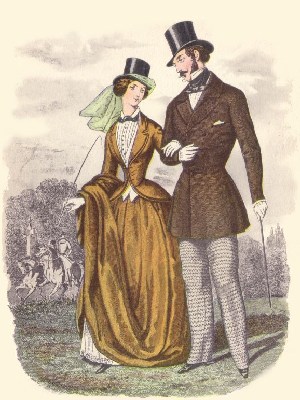 A thought that I had was the fact that multiple times while reading Jane Eyre, they talk about Jane being very plain. Also, they mention a lot of how people look. This prefaces how Jane feels about herself - plain - and compares to how she feels what others around her are like. In seeing these people's clothing, it reminds Jane of how plain she actually is. And since we know that Jane is a reflection of Bronte, we can assume that Bronte felt the same way about herself. She saw all of these people doing these amazing things, while she wrote stories. Bronte didn't think she was special, and because of that, she made Jane feel like she wasn't, either.
Gives a lot of info to help understand Jane Eyre.
Also mentions how Bronte's life affected the writing of the book.
Gives a good explanation of the history that went into the book.
Brought some topics to light for the papers that we are writing
Cons
Not going to lie, it was really boring. I found myself spacing off multiple times while listening.
The speakers got off track fairly easily. One minute they would be talking about Jane Eyre, the next they would go off on a tangent that was a bit hard to follow
I felt like they were teaching more than they were talking. It felt like a lesson more than just people talking.
What I found interesting:
Jane Eyre has been discussed to have drawn parallels to Bronte's life, but after listening to this podcast, it helps single out those scenarios in which this happens. I'm a bit jealous of the people that had the autobiography paper, as this really seems like it would be a good source.
 A thought that I had was the fact that multiple times while reading Jane Eyre, they talk about Jane being very plain. Also, they mention a lot of how people look. This prefaces how Jane feels about herself - plain - and compares to how she feels what others around her are like. In seeing these people's clothing, it reminds Jane of how plain she actually is. And since we know that Jane is a reflection of Bronte, we can assume that Bronte felt the same way about herself. She saw all of these people doing these amazing things, while she wrote stories. Bronte didn't think she was special, and because of that, she made Jane feel like she wasn't, either.
Podcast BBC Radio Lillie Bowman
Pros:
The people on the podcast were educated about what they were talking about.
New about lots of topics.
Made comparisons between characters and Bronte and Austen.
Talked a lot about new info of Bronte and who she was as a person.
Cons:
The talks-people jumped around from lots of topics.
Sometimes it was hard to remember what I was listening to at moments.
What I found interesting:
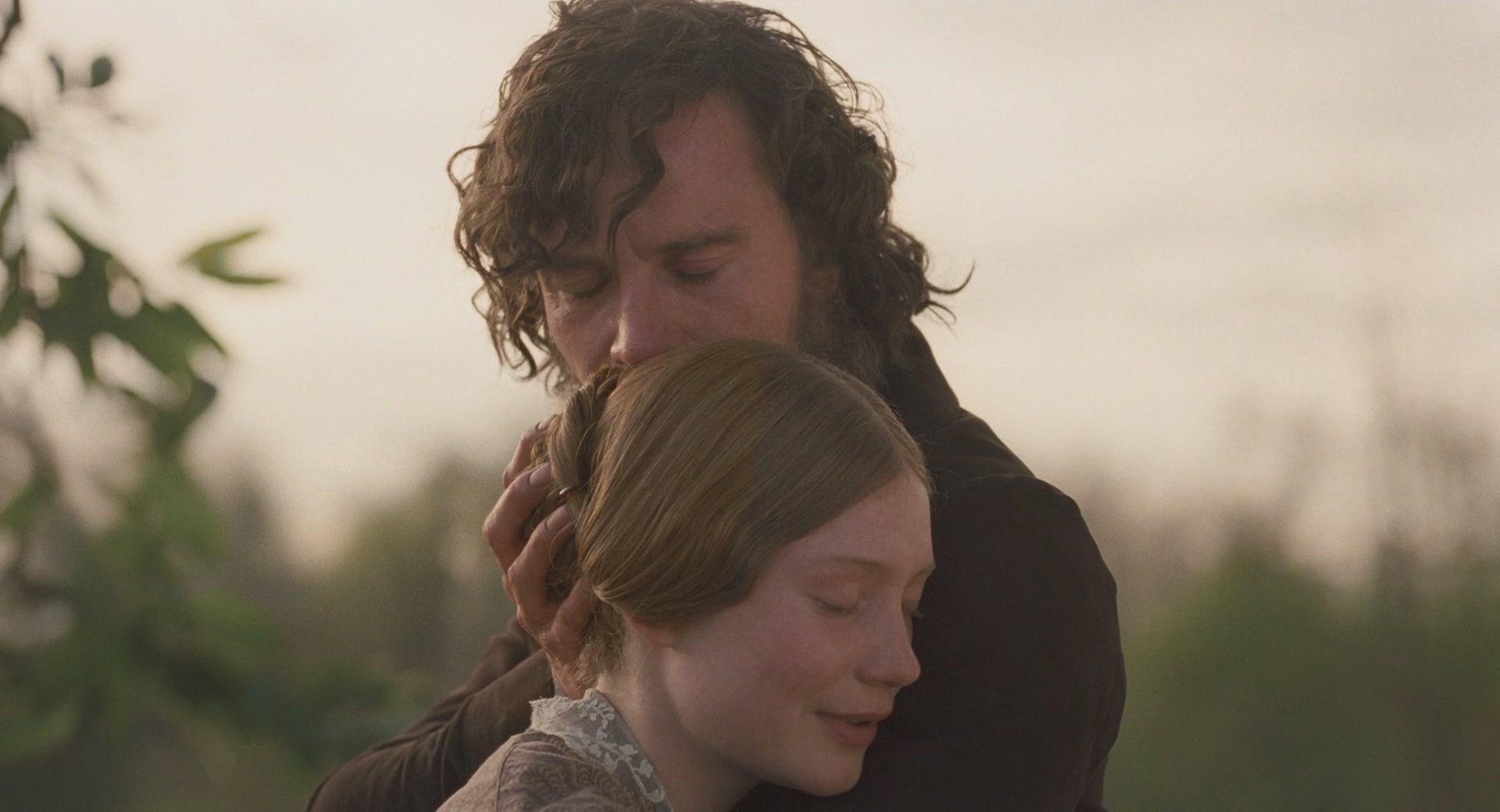
Jane and Rochester reconcile at the end of the book and live happily ever after. But only after he becomes blind and burned and his house is burned to the ground.
I find this interesting because Jane sticks to her guns and ran away from Rochester earlier on because he was already married and told Jane she could be his mistress. But now since his wife has killed herself and took everything from Rochester in the blaze, he is now suitable for Jane? Does Jane think he has been humbled and since his wife is dead that somehow makes the situation totally different? Is he now worthy of her love because he too has been through sorrow and hardship and pain? I just want to know what was really going through Jane´s head.
The people on the podcast were educated about what they were talking about.
New about lots of topics.
Made comparisons between characters and Bronte and Austen.
Talked a lot about new info of Bronte and who she was as a person.
Cons:
The talks-people jumped around from lots of topics.
Sometimes it was hard to remember what I was listening to at moments.
What I found interesting:
Jane and Rochester reconcile at the end of the book and live happily ever after. But only after he becomes blind and burned and his house is burned to the ground.
I find this interesting because Jane sticks to her guns and ran away from Rochester earlier on because he was already married and told Jane she could be his mistress. But now since his wife has killed herself and took everything from Rochester in the blaze, he is now suitable for Jane? Does Jane think he has been humbled and since his wife is dead that somehow makes the situation totally different? Is he now worthy of her love because he too has been through sorrow and hardship and pain? I just want to know what was really going through Jane´s head.
Pros:
All of the stories gave closure on some of the questions I had been having about the book.
They were good alternates to go around the book and talk about Jane's feelings and what she was going through.
Cons:
It was definitely hard to follow sometimes.
Some parts of pretty much all of the stories confused me.
What I found interesting:
All of the stories seem like they make the theme of the book sound like a love story. And the book is more so self-finding. The second story in the podcast made most sense for me because of where it led and how the story went. This woman talked about what reputation Jane Eyre had. Ed and Jen are the main characters in this side story. Ed followed Jen and told us readers that she was like a farmer's wife and told us about the way she looked. He didn't really know why he was following her. Ed kept describing how attractive she was and how she wasn't friendless.
This blogger chose to make "Jen" plain to herself, but attractive to another person that didn't know her very well. Bronte wrote Jane as much as she saw herself. Honestly I think this story of the podcast showed Jane's journey of love and money throughout the book. Ed is up and down while following Jen up hills and down different streets. Panting and losing her throughout the trek he went on to follow her.
This was interesting because it didn't pop into my head until the end of the podcast that Ed's trek could be related to Jane's journey.
All of the stories gave closure on some of the questions I had been having about the book.
They were good alternates to go around the book and talk about Jane's feelings and what she was going through.
Cons:
It was definitely hard to follow sometimes.
Some parts of pretty much all of the stories confused me.
What I found interesting:
All of the stories seem like they make the theme of the book sound like a love story. And the book is more so self-finding. The second story in the podcast made most sense for me because of where it led and how the story went. This woman talked about what reputation Jane Eyre had. Ed and Jen are the main characters in this side story. Ed followed Jen and told us readers that she was like a farmer's wife and told us about the way she looked. He didn't really know why he was following her. Ed kept describing how attractive she was and how she wasn't friendless.
This blogger chose to make "Jen" plain to herself, but attractive to another person that didn't know her very well. Bronte wrote Jane as much as she saw herself. Honestly I think this story of the podcast showed Jane's journey of love and money throughout the book. Ed is up and down while following Jen up hills and down different streets. Panting and losing her throughout the trek he went on to follow her.
This was interesting because it didn't pop into my head until the end of the podcast that Ed's trek could be related to Jane's journey.
"In Our Time" - Saylor Small
Pros:

- The podcast gives a deeper insight into Charlotte Bronte's personal life.
- The voices on podcast seemed informed and had new views to share with listeners.
- Readers/listeners can understand Jane Eyre better after listening and learn about the similarities between the novel and Bronte herself.
Cons:
- The podcast became confusing towards the end.
- Discussed things other than book and got off track.
- Became easily boring and more informative than entertaining.
What I found interesting:
In the podcast, it was continuously repeated about Bronte's choice to emphasize Jane's plainness and the connection between the author and the character, and how Bronte used this to her advantage:
As read in the novel, looks and appearance are discussed thoroughly in the story by many different characters. It was mentioned during the podcast that Bronte herself could be seen 'average' or plain, and the fact her and Jane also had similar looks makes me wonder about how Bronte could've used her work for a much bigger purpose than to portray herself.
Bronte fuses her reality into Jane Eyre to platform many different views on her mind. Feminism, for example. A woman like Jane standing up for herself in that time period was almost unheard of, but Bronte proved it possible (even if just in literature). Through Jane's looks and lifestyle, Bronte was able to put herself in the spotlight and voice issues on her mind.
Overall, in physical looks and circumstances, Jane and Bronte can be compared to one another closely, and this is perhaps planned by Bronte herself. To use her own female lead as a gateway to express her views was clever and did a tremendous amount of advocating for women in the years to come.
In Our Time- Logan Reynolds
Pros of the Podcast:

- It helps you understand the novel better by giving you background information on the author that you would otherwise have to research to find out.
- They talk about some of the themes found in the novel such as, courtship and Gothic which in this case would help us with our paper.
- They talk about how Bronte's father played a major role in her life growing up and how he was the reason she read as much as she did.
- They also talked about other books by Charlotte Bronte and how they compare and are similar to Jane Eyre.
Cons of the podcast:
- Occasionally it was hard to keep up because they talked really fast at times.
- They also jumped from topic to topic which made it kind of confusing.
- There were times they would start talking about something and then never finish.
One thing I thought was interesting after listening to the podcast was when they talked about how Bronte's father played a roll in her life. Her father was a clergyman, so he had a roll in the church. This meant their family was part of the middle class and Charlotte most likely grew up in a fairly religious home. Her father was a very strong willed and ambitious man. He worked hard in life to accomplish all the things he did. He had a library in which his children read. This is where I think Charlotte could have found some of her ideas for her writing. She often read novels where an older man married a younger woman. This happened later on in her life as well as in her novel Jane Eyre.
I also thought it was interesting when they talked about Jane and Rochester's relationship. They start out with how they meet. They first met when Rochester fell off his horse and Jane was there to help him. The female broadcaster describes their relation as a very complex relationship because Rochester has the wealth and power and is the employer who is very dark and strong so it looks like the man has the upper hand is this relationship. However this is not true at all. Readers see from the very beginning when they first meet Rochester is lying on the ground and has to be rescued by none other than a woman, a very plain woman. Jane manages and redeems him and it is clear she has the real upper hand in the relationship throughout the whole book despite the stereotypes of the time period.
Over all the podcast helped explain and gave things a much deeper meaning than I did when reading the book. There are many things you can take from this and it helps you understand the book in a completely new way. I didn't think about how the way Rochester and Jane met could basically paint a picture of their relationship in a nutshell. The podcast, despite he quickness and hard to understand accents was helpful when trying to understand the smaller details of Jane Eyre.
In Our Time- Emily Harms
Pros:

- Explained sides of the story I haven't thought of before
- They talked about Charlotte's life which gave me more insight on the autobiographical aspect of the novel
- They explained some of the themes more in depth
Cons:
- Sometimes they were hard to understand when they were talking
- They included a lot of extra information that wasn't necessary
What I found interesting:
The lady talks about the comparison between Mr. Brocklehurst and William Carus Wilson. She mentions how Charlotte wasn't fair to Wilson by the way she showed Mr. Brocklehurst in the novel Jane Eyre, but it is her story and she can show characters the way she wants to. Since this story is said to be autobiographical, most people think of how both Charlotte and Jane are living with their aunt that isn't exactly the nicest person. Most people don't compare Mr. Brocklehurst and William Carus Wilson, because there are some pretty major differences between them that makes it more difficult to link together. Most parts of this story represent something that Charlotte went through during her life even if it isn't exact.
I relate this book to Thomas Foster's book How to Read Literature like a Professor. Foster explains that no story is original and that they all come from other stories. Parts of this novel had to have come from another source, and not just Charlotte Bronte's life story. Shakespeare and the Bible are some sources that most literature builds off of to create the stories that we end up with today.
In Our Time- Jadin Vogler
Pros:

- Talks about how Bronte's life impacted her novel greatly and helps understand the story a bit more.
- They talk about Bronte's father had a massive library and had them embrace literary and what books Charlotte read in her childhood years.
- Throughout the video, they talk about some of the different themes in the book like Autobiographical, Courtship, and Buildungsroman.
Cons:
- At times I got lost because they would randomly move to another topic.
- Sometimes difficult to understand and a bit bland at times.
- For myself, when I watch videos I like to see something going on so it keeps me interested instead of just having a picture as the background.
What I found Interesting:
I found two topics intriguing while listening to this podcast. The first one is Bronte's life and how it impacted her writing. I knew bits of information here and there from past research ,but what interested me the most was the books she read as a child. Charlotte Bronte read novels from her father's library that had powerful, older men falling in love with younger women in them. I think this impacted her life majorly not only in her writing but in her love life as well. She fell in love with an older professor in her own life and created the character Mr Rochester in her book, Jane Eyre, who was a wealthy, powerful, forty-year-old man who fell in love with an eighteen-year-old girl. Bronte wrote Mr Rochester as a ironic hero and a playful metaphor who was upsetting and funny. Then there is Jane who is short and plain. Being plain and simple was crucial to her novel and she expressed this through Miss Eyre. Writing her characters with such fiery nature impacted her novel greatly which cause great discussion for her book.

The next topic that interested me in this video was when they talked about the intensely emotional world around the characters. The thrills of Gothic mystery throughout the book and the danger of men surrounding young women (Jane Eyre) and how these themes influenced the characters. The dangers of men scatter through this novel. Jane getting abused by John Reed and then being shipped off to Lowood to be humiliated by Brocklehurst but then travel to Thornfield where she experiences love for the first time from the opposite gender. Jane now independent, can explore this area in life. The podcast goes into deeper thought on the relationship between Rochester and Jane and how it developed and became memorable. Their first meeting being a fairy tale entrance, Rochester, a dark, sturdy, masculine man, falling off his black steed and giving Jane a place to live and work. The shifting of powers between the two continues in the book. For instance, towards the end of the podcast, the talk about the couple switching places, Jane now being the wealthy, independent women who must tend to Rochester, a dark crippled man, you could say Jane is helping him come 'back to life'.
Overall I can relate this back to one of Foster's first chapters about quests. Throughout this book, both Jane, Rochester and maybe even Bronte go through ups and downs and have to find what they are truly looking for.
Overall I can relate this back to one of Foster's first chapters about quests. Throughout this book, both Jane, Rochester and maybe even Bronte go through ups and downs and have to find what they are truly looking for.
"In Our Time"- Valerie Gabel
Pros

- More information about Bronte’s‘ life
- Talked about Bronte’s other books
- For example, the professor and how that might be simple to Jane Eyre
- Helped get information for my autobiography paper
Cons
- Sometimes, they talked too fast in the broadcast and didn’t stay on the topic question.
- Most times, they never finished what they talked about
- For example, one broadcaster talked about Bronte’s mother, but that one particular broadcaster never finished her story about the mother’s past.
- It was too long, lost my attention
What I found interesting
In the podcast, one topic that stood out was when they talked about Jane Eyre and Rochester. They helped each other out like a married couple. The idea came to mind when they explained how Jane Eyre helped Rochester out when he fell off his house. Then she helped him out when Bertha set fire in his room while he was sleeping. Jane was like a wife to Rochester because she always put him before herself in everything.She was a hero to Rochester when he was in danger or hurt. Rochester was like a husband to Jane because he tried to give her everything she wanted. He made sure she attended the parties even though she was the governor. He let her read all the books she wanted to unlike the Reeds who forbid her to. He even gave her an expensive veil for her to wear on her wedding day. Their relationship was a balanced and compatible one. Rochester had money while Jane had empathy and helped him out of his dark past. The same time, their relationship was rocky and not always balanced. After weeks went by, one that Jane acted as a wife to Rochester and continues to help him with his struggles. She always called him Master. She reminded herself that she is plain and simple because her status doesn’t equal the wealthy Rochester. That all changed when her uncle gave her his will. When Jane returned to Rochester, she was still not as wealthy as him. Jane helped Rochester everyday after he became blind. Jane’s status became more equal to Rochester’s after she inherited an amount of money. In conclusion to the podcast, I found out that even in the beginning of Jane and Rochester relationship. they acted as a married couple. They loved each other not by looks but by helping each other out. "In Our Time" -Holly Skorupa
Pros:
 One aspect of Bronte's life that I had never thought about, until the podcast had brought it up, was her parents. It talked about her father, Patrick Bronte, who was born the son of a poor farmer, and worked to bring his family up. By the time he was sixteen, he had founded a school. I'm seventeen and can't even go to the doctor's office alone. I mean, the dude wasn't even originally named Bronte, before he legally changed it, it was Brunty! He had gone through many apprenticeships to try and find his passion, and eventually became a clergyman before he met his wife. He was tough too. His wife Maria died when Bronte was just 47, and he still moved forward, and outlived all six of his children too.
Aside from my curiosity with the Bronte family, I was drawn in by something mentioned approximately sixteen minutes into the podcast. The narrator brought up the weather often written about in the novel, and how the reader often knows the weather in a scene. This reminded me of Thomas C. Foster's book, How to Read Literature Like a Professor. In his book, Foster talks about how weather is always symbolic, like rain is never just rain. Rain often symbolizes the cleansing of a character, or a brand new start for them. This is evident in Jane Eyre. During the period where Jane was homeless after leaving Thornfield, she had gotten rained on while sleeping in one of her nooks. This was the day before she met Mary, Hannah, Diana, and St. John, which is the day her life turned around. That rain was cleaning Jane anew, and ridding her of her past with the Reeds, Thornfield, and Rochester.
I am not going to lie, I do not read through Jane Eyre and recognize the symbolic weather or contemplate her family background, but since realizing these things I will be paying much closer attention.
- The podcast teaches the listener more about Charlotte Bronte, who after all, is the creator behind the famous novel
- This in turn reveals more of the autobiographical aspect of Jane Eyre. The podcast gives good examples from Bronte's life that correspond with events in her book.
- The first female narrator gives good descriptions of some details behind the book, like why Bronte wanted a plain heroine.
- The male narrator throughout the podcast is boring, talks slow, and uses lots of filler words like "um"
- The first female speaker speaks in a very monotone manner, and makes the listener tune out, lose interest, or start to fall asleep if you're like me and are doing this at 11:30 pm.
- Okay, it's not that I don't love a luxurious British accent now and then, but I often found myself unsure of, or just not understanding, some words they're saying throughout the podcast. If someone reading this has a British accent, I'm sorry. Keep doing you.
One aspect of Bronte's life that I had never thought about, until the podcast had brought it up, was her parents. It talked about her father, Patrick Bronte, who was born the son of a poor farmer, and worked to bring his family up. By the time he was sixteen, he had founded a school. I'm seventeen and can't even go to the doctor's office alone. I mean, the dude wasn't even originally named Bronte, before he legally changed it, it was Brunty! He had gone through many apprenticeships to try and find his passion, and eventually became a clergyman before he met his wife. He was tough too. His wife Maria died when Bronte was just 47, and he still moved forward, and outlived all six of his children too. Aside from my curiosity with the Bronte family, I was drawn in by something mentioned approximately sixteen minutes into the podcast. The narrator brought up the weather often written about in the novel, and how the reader often knows the weather in a scene. This reminded me of Thomas C. Foster's book, How to Read Literature Like a Professor. In his book, Foster talks about how weather is always symbolic, like rain is never just rain. Rain often symbolizes the cleansing of a character, or a brand new start for them. This is evident in Jane Eyre. During the period where Jane was homeless after leaving Thornfield, she had gotten rained on while sleeping in one of her nooks. This was the day before she met Mary, Hannah, Diana, and St. John, which is the day her life turned around. That rain was cleaning Jane anew, and ridding her of her past with the Reeds, Thornfield, and Rochester.
I am not going to lie, I do not read through Jane Eyre and recognize the symbolic weather or contemplate her family background, but since realizing these things I will be paying much closer attention.
"In Our Time" Podcast - Sarah DeBoer
Pros:
Cons:

- helped give a better understanding of the story
- gave a better idea of why Charlotte wrote what she did
- the people knew what they were saying and were very informed
Cons:
- very long and not very entertaining
- was sometimes hard to understand
- talked about things that didn't apply to what was needed
What I found interesting...
I found it very interesting when they talked about how much the setting and scene matter in this story. They talk about the weather and the domestic houses and even what people are wearing. I did not think this mattered as much in a story as just something to fill up pages. I now understand that Charlotte put things in the story for a reason. For every action, there is a purpose. Just the way Bronte talks about Jane and how she is feeling, you can picture what she is wearing.
The discussion of the book continued with them talking about how spectacular the book is. It has gothic mixed in and the gloomy context, which was important to the Bronte siblings. This is why it is still very popular today. It has many ideas or contexts that draw people in like the young women in danger who is prayed upon by men. Most popular novels have a damsel in distress. It is full of action and suspense so it is never dull. The setting and characters are constantly changing which helps to give more suspense to the story because you don't know what is going to happen. This novel is also very emotional which makes the reader feel more involved in the story if they can connect or feel what the main character is feeling. This story values thought which means the details are impeccable. It is very aware of the world around the characters and how things are depending in what is happening.
This book also reminds me of How to Read Literatue Like a Professor by Thomas Foster and the connections they both have. Some chapters in Foster's book are made for just the purpose of understanding and this podcast has helped me see the bigger picture of stories and why they are written. All things happen for a reason even if that reason is bad or untrustworthy.
Authors Discussion Podcast- Christa Norton
Within forty-three minutes of discussion, I wondered how much time and effort each person involved had spent researching both the book and the Bronte's family. Each connection within the book was carefully analyzed and debated before this discussion of whether or not it did have any real connections to Charlotte Bronte's life. This podcast was very helpful in several ways: it gave many supports for the book being an autobiography, it went in depth into Charlotte's life, and it had many different insights of book scenes. However, the podcast was quick, giving little time to really interpret what they were discussing, it seemed a little too long and difficult to differentiate the different people speaking, and the discussion was sometimes scattered all over the board.

From this podcast I found it odd how little they discussed about Charlotte's way of writing her family. The entire podcast was about Charlotte writing scenes from her life, but they only spoke about her family in the beginning. However, they lacked the mention the part in which Jane would give up all her money for the existence of her three other cousins. In Charlotte's family, she lost her two older sisters but had a remaining three. Characters Mary, Daiana, and St. John Rivers play as her remaining siblings, but Mr. Rivers does eventually leave Jane. This exact thing occurs with Charlotte's brother Branwell- in the difference that Branwell dies.
BBC History of The Brontes gives a quick review of what we learned within the podcast regarding the history timeline of the Bronte family.
There are several elements offamily written in from Charlotte. Jane Eyre is constantly searching and striving for anything to connect with. She finds comfort with her teachers, which probably is not a coincidence, but Charlotte's father, Patrick was also a bit of a teacher. Then she tries to confide with others she is around- simply just trying to find her place- finally finding her own family, but still returning to the one she had made.
What I would have spoken more about- if making connections of Jane Eyre and Charlotte Bronte's life- would've been the different family elements in which are faced within both women's lives. There are factors which are clearly stated and many that are more in depth than not. The connections in which are made can be seen from different angles and can be connected differently to Charlotte's life, but in the end there are clear pieces of evidence that Charlotte was not just writingJane Eyre's story .
BBC History of The Brontes gives a quick review of what we learned within the podcast regarding the history timeline of the Bronte family.
There are several elements of
What I would have spoken more about- if making connections of Jane Eyre and Charlotte Bronte's life- would've been the different family elements in which are faced within both women's lives. There are factors which are clearly stated and many that are more in depth than not. The connections in which are made can be seen from different angles and can be connected differently to Charlotte's life, but in the end there are clear pieces of evidence that Charlotte was not just writing
Monday, December 12, 2016
"Charlotte Bronte at 200: stories inpired by Jane Eyre" - Cassie Barber
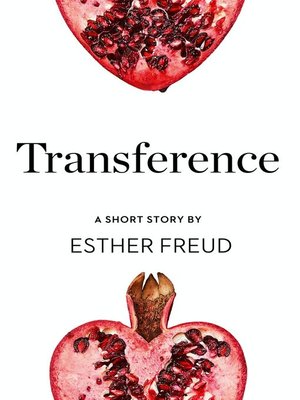 Transference was a better story compared to the second one because it follows the plot and story line much more closely. There are a few things that are different, such as the physical setting, characters, and occupations, but for the most part the stories are the same. Although, the likeness for Mr. Rochester is sometimes switched between the boyfriend and the therapist.
It starts off with a woman who is young and doesn't know much of the world yet, just like Jane Eyre. This woman has a boyfriend. The relationship between the two are very unstable. They have different views and opinions are various topics. This is much like the relationship between Mr. Rochester and Jane Eyre. They are both very different people. When something happens that the boyfriend doesn't want, he tries to force the girlfriend to do something else by persuading her. This to me is seen as abusive. Yet it's the exact same thing that happened with Jane and Mr. Rochester. This adds even more to the similarities between Jane Eyre and Transference.
Not only that, but Mr. Rochester and the therapist are also alike. Both of them have a wife, and yet they still try to get with Jane and the woman. In Transference that fact is not clearly written, and at the mention of his wife it seems as if the therapist does not want to get with the woman, which is unlike Mr. Rochester. Mr. Rochester tries to hide his wife in order to be able to marry Jane.
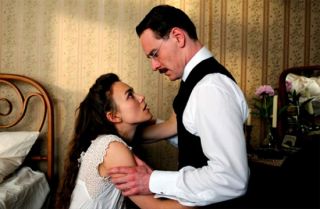
In these ways, Transference was much more like Jane Eyre than the second story that was read. There's just more similarities than the other story, even with the obvious differences.
"In Our Time" Millington
Pros
- There were similarities between Jane and Bronte brought to light that I had not thought about before.
- Gave a more in depth view of Charlotte's life, which makes it easier to understand her writing.
- It refers to some of the themes that we have talked about in class, especially gothic and autobiographical.
Cons
- Sometimes I got lost or just didn't know what they were talking about.
- I have trouble just listening to things without being able to read them myself so I had trouble comprehending parts.
Love story?
- I enjoyed the way that described Jane and Mr. Rochester as an average love story and not a love story. They describe him as a kind of ironic hero. He is incredibly funny and charming. The woman describes him as more of an archetype than an actual hero. An archetype is a character that represents human nature. This is interesting because to me, Rochester doesn't really seem like a hero at all. He seems like a depressed man who gets angry when he doesn't get exactly what he wants. So in the sense of his humor and charm he would seem like an average man in a sappy love story but in the way that he represents human nature he would not.
- They also explain the necessity of having Jane be short and plain. It was very important to Bronte that Jane be short and plain because Bronte herself was. It shows simplicity, which implies honesty of character. They believe that Jane's looks affected everything about her story, especially her love life. The way that she thought about herself changed as she matured and fell in love. This was interesting because I wondered why it was so significant that Jane was plain.
- This article ( http://articles.chicagotribune.com/2011-03-11/entertainment/ct-ae-0313-jane-eyre-main-20110311_1_edward-rochester-doodles-charlotte-bronte ) says that Jane Eyre is not, in fact, a love story. I thought that it was very interesting because it says that the book is more about Jane's self-expression and respect.
Did they get what they deserved?
- I thought it was very interesting how they brought up the fact that every character got what they deserved. I hadn't thought about it until they mentioned it but when I did, I realized that every character who wronged Jane ended up getting injured or dying. The people Jane didn't like ended up being punished, while Jane always ended up getting what she wanted.
- Also they imply that all of the readers are always on Jane's side and want her to get what she wants. I disagree with this statement because at times I felt like Jane didn't deserve what she wanted because she's the one who got herself into the messes that she needs to fix. Most of the time I did want Jane to succeed but not always like the podcast implies.
Bertha Mason

- The part about how Bronte had to try very hard to make Bertha Mason a character that no one could sympathize with was interesting. Jane had a very brief moment where she questioned Rochester's lack of sympathy for his wife, but that was the only time where Bertha was even briefly pitied. She had to be treated like an animal, so that no one would be able to feel sympathy for her. There is an air of mystery surrounding Bertha which makes her hard to relate to. She is a foil to Jane and a way to make Rochester seem better than he really is. At the same time though she relates to Jane because of the way that Jane was treated as a child. So that contradiction is very thought provoking.
"In Our Time" podcast- Emily Burnside
Pros:
~Very informative on Bronte's life
~Compared Jane Eyre to other literature
~Explained topics such as courtship in depth
~Helps listeners understand Bronte's reason for writing the way she did
Cons:
~Was very long and lost my attention
~Sometimes unclear when the topic being talked about changed
What captured my interest:
One thing that really stood out to me in this podcast was the emphasis on Jane's plainness and especially her fear.

Bronte repeatedly brings up Jane's plainness of looks, character, and life throughout her novel. The podcast once again brought it to my attention and made me think about why it was so important. Bronte herself was an average woman, but her circumstances made her a strong feminist. She expresses her views on a male dominated society through Jane, who is boldly straight-forward and independent. It was crucial that her main character was as average and relateable as possible to other women in society, because it portrayed they didn't have to have a high status or be important to make a difference.
As I read Jane Eyre, I continued to see Jane's growing independence, but never put much thought into why she continued to be like this. The podcast described how much fear Jane had, which likely stemmed from her early childhood. Jane was very self-aware and afraid of her circumstances overcoming her. In everything she did, she made boundaries in order to protect herself. She demonstrates this when she and Mr. Rochester begin to fall in love, by not openly showing her affection for him, even when it becomes obvious he doesn't want another. Before the planned marriage, Jane rarely expressed her feelings, and constantly protected herself. When Bertha Mason came between the couple, Jane was broken-hearted. However, her fear saved her. If she had given all of herself to the relationship, she would have suffered much more than she did and wouldn't have been able to stand up to Mr. Rochester.
Ultimately, common women of the Victorian Era may have been inspired by Jane, but to fearful to voice their opinions. However, Jane turned her fear into a tool that helped her be more independent, and women could see that in her. Because of her writing, Bronte has helped change society to what it is today.
"In Our Time" Podcast - Sarah DeBoer
Pros:
Cons:
- helps you understand the story in a different way
Cons:
- way to long
- sometimes hard to understand
Podcast-Kaleb Vogt
While listening to the podcast I had some time to think. I not only thought about what was being discussed, but I was searching my mind for any questions I had relating to not only the podcast, but the novel as a whole. One thing that stood out to me the most that I couldn't get out of my mind was the thought of Jane Eyre being considered an autobiography of Charlotte Bronte's life. Throughout the podcast they discuss Charlotte Bronte's Life and its similarities to the novel. The whole time I was listening to this I was wondering why Charlotte Bronte would make her autobiographical in the first place. I'm not saying that her life story wasn't interesting or that her novel didn't include enough ideas of her own, but why did Bronte want to write about her life in the first place?
From what I've seen in the book and heard in the podcast, Charlotte Bronte life's was very difficult, like most people during the Victorian Era. Bronte might of been born into a family with at least some amount of wealth, but she lived through a somewhat difficult childhood. Two of Bronte's siblings died in her childhood and what kind of author would like to bring up those memories?
From what I've read in the past authors will normally write autobiographies to be remembered. Everyone wants their story to live on through the ages which Bronte's surely has. Maybe remembering her past and having someone that was almost a sister to Jane Eyre, Helen Burns, die in the first part of the novel could almost be seen as a tribute. Authors have many reasons behind why they write their novels and I've been wondering why Bronte wrote hers.
This video only touches on why authors might write their autobiography, but it brings brings up some points to why Bronte might've wrote hers.
Overall this podcast did a great job at helping me to think more about the novel. Not only did I finally get some time to think about Jane Eyre, but the podcast was very informative as well. By listening to the podcast I got a better idea of what Charlotte Bronte's life was like and how it affected her writing. The podcast also cleared up parts of the novel that were fuzzy to me and I enjoyed the conversation the people had with one another instead everything being like a lesson. The only thing that I didn't like as much was that the speakers skipped from topic to topic a little too fast at times.
From what I've seen in the book and heard in the podcast, Charlotte Bronte life's was very difficult, like most people during the Victorian Era. Bronte might of been born into a family with at least some amount of wealth, but she lived through a somewhat difficult childhood. Two of Bronte's siblings died in her childhood and what kind of author would like to bring up those memories?
From what I've read in the past authors will normally write autobiographies to be remembered. Everyone wants their story to live on through the ages which Bronte's surely has. Maybe remembering her past and having someone that was almost a sister to Jane Eyre, Helen Burns, die in the first part of the novel could almost be seen as a tribute. Authors have many reasons behind why they write their novels and I've been wondering why Bronte wrote hers.
This video only touches on why authors might write their autobiography, but it brings brings up some points to why Bronte might've wrote hers.
"In Our Time" Podcast- Cassie Morse
Pros:
-learned more about Charlotte Bronte
-made some parts of the story easier to understand
-very informative
Cons:
-sometimes the speakers were hard to understand
-had some information that was not necessary
-very long and drawn out
-learned more about Charlotte Bronte
-made some parts of the story easier to understand
-very informative
Cons:
-sometimes the speakers were hard to understand
-had some information that was not necessary
-very long and drawn out
What I Found Interesting
One of the topics mentioned was how Jane's life in the story was in some ways a reflection of Charlotte Bronte's life. I thought this was very interesting because before listening to the podcast, I did not know much about Bronte or her life. She wrote the book with vivid details on most of the experiences in Jane's life, and it makes sense that she did this because she went through these experiences herself. For example, Charlotte and Jane both thrive on rejection. This is mentioned in the podcast when the speakers touch on Bronte's book, The Professor, which was rejected by publishers nine times. This rejection only made Bronte more determined to get a novel published. Likewise, Jane was rejected and unwanted by the Reeds and this made her determined to live a better life. She became a great student, and later an even better teacher. Another example is when Charlotte Bronte went to Belgium and fell in love with a married man. He pointed out Bronte's inner self and helped her see how successful of a writer she could be. In Eyre Jane fell in love with Mr. Rochester, a married man. He helped Jane visualize her own inner strength, and showed her that she wasn't just a plain girl. After listening to the podcast I am left very curious about the rest of Bronte's life that was not mentioned, and will probably do some further research to compare Bronte's life to Jane's in the novel in more depth.
"In Our Time" Podcast - Nate Wheeler
Pros
-Drew parallels between Jane and Charlotte Bronte that I did not see before
-Exposed Charlotte Bronte's views on political issues and religion
-Helps paint a picture of what the actual environment surrounding the story was like
Cons
-The British accents were absolutely horrible
-Sometimes the points they were bringing up were not very clear to me
-It was very long and drawn out and I was quite sleepy at the end
What acquired my interest
I found to be the most interesting thing about Jane Eyre was how Charlotte Bronte communicated to the audience through lines directed exactly to the reader.

-Drew parallels between Jane and Charlotte Bronte that I did not see before
-Exposed Charlotte Bronte's views on political issues and religion
-Helps paint a picture of what the actual environment surrounding the story was like
Cons
-The British accents were absolutely horrible
-Sometimes the points they were bringing up were not very clear to me
-It was very long and drawn out and I was quite sleepy at the end
What acquired my interest
I found to be the most interesting thing about Jane Eyre was how Charlotte Bronte communicated to the audience through lines directed exactly to the reader.
This direct communication added a level of almost creepy reality and personality between the reader and the writer. In my opinion, the main reason the book is still relevant today is in the manner she addresses her audience. I have also not seen this style of writing before, so it is my assumption it is not very prominent. One of the reasons I believe there hasn't been another story with this level of communication is the fear of ruining Jane Eyre, or not sizing up to this extremely successful and lasting novel.
"In Our Time" - Jacob Mason
Pros
This podcast is very informative.
The speakers are well informed and knowledgeable.
They discuss Jane Eyre throughly, often times discussing the book building off what they have discussed.
Cons
The speakers talk fast once in awhile and sometimes are not easily heard.
They jump from one topic to the next, which can make the discussion seem disjointed.
What I Found Interesting
What stood out to me throughout this whole podcast was Charlotte Bronte's father, Patrick Bronte. Although he is only mentioned briefly in the very beginning, Patrick Bronte sounds astonishingly familiar. Patrick was an Irish-English priest who lived in England most of his adult life.
Patrick was born in Ireland, the son of a poor farmer. Throughout his life, he climbed the social ladder, adding rungs by educating himself. At the astounding age of sixteen, Patrick founded and ran a school. After earning academic honors at Cambridge University, Patrick became a clergyman.
On the surface, Mr. Bronte looks like a normal man. However, not all things appear as they are. According to Elizabeth Gaskell, who wrote a biography of Charlotte Bronte, her father was an odd man. Mr. Bronte was never fond of children. He often went on rants, burning his children's boots, shredding dresses, and shooting his gun at the kitchen door. To top it all off, Mr. Bronte would question his daughters about moral issues while wearing masks. Masks, he claimed, helped them to speak less resistantly.
Mr. Bronte was married to Charlotte's mother, Maria Branwell, who almost seemed to worship him. She was hopelessly devoted to her husband.

Patrick Bronte
Mr. Patrick Bronte and Mr. St. John Rivers are so similar, it's almost uncanny.
Similarities
- Clergymen
- Started schools
- Smart, Educated
- Devoted to their occupations
- Magnetic (People are drawn to them)
- Believe their way is the only way
Differences
- Patrick climbed up the social ladder from the bottom; St. John started off with a decent amount of money.
- St. John is kinder
- Patrick married and had children
Clearly, both Patrick and St. John are quite similar. However, St. John is not the only character in Jane Eyre who possesses characteristics of Patrick. Patrick often lit things on fire in his mad rages, just as Bertha Mason lit Mr. Rochester's room on fire and eventually burned down Thornfield. To top it off, Charlotte Bronte created Jane, a character who is quite similar to Maria Branwell. Jane finds herself attracted to St. John, eventually getting to the point where she did only what St. John told her to. She was under his complete control. Quite similarly, Maria lived life under the iron fist of her husband.
Overall, Patrick Bronte is a man who clearly had an enormous effect on the shaping of the characters in Jane Eyre. Everywhere the eye turns, there is a hint of Patrick Bronte in his daughter's work of literature. It is extremely evident that Mr. Bronte was a monstrous figure in Charlotte's life, whether that was for better or worse. Patrick Bronte was odd and peculiar. At the end of the day, we may have him to thank for Jane Eyre. Charlotte Bronte did not come up with her characters out of thin air; she grabbed characteristics from her father and produced a few of her main characters, using what was right in front of her.
Subscribe to:
Posts (Atom)